The world of sports is undergoing a silent revolution, one that transcends final scores and athletic prowess. It’s a shift towards sustainability, a commitment to minimizing the environmental footprint of our grandest arenas and most local complexes. The recent inauguration of the “Aurora Vortex Athletic Complex” is not merely the opening of another sports facility; it is a powerful statement, a blueprint for the future, and a testament to the fact that world-class performance and deep ecological responsibility can not only coexist but thrive together. This groundbreaking facility redefines what it means to be a sports hub in the 21st century, seamlessly integrating cutting-edge green technology with the raw passion of athletic competition. This article delves deep into the multifaceted approach taken by the Aurora Vortex, exploring every sustainable feature, its long-term benefits for the community and the planet, and the profound implications it holds for the future of athletic infrastructure worldwide.
The New Paradigm: Beyond the Game
For decades, the construction and operation of large athletic complexes have been associated with significant environmental costs: massive energy consumption, water waste, reliance on non-renewable materials, and substantial waste generation. The Aurora Vortex project was conceived from a fundamentally different perspective. The core philosophy was to create a net-positive environment—a facility that gives back more to the environment than it takes. This vision guided every decision, from the initial architectural drawings to the selection of janitorial supplies. It represents a holistic embrace of the triple bottom line: Planet, People, and Profit, proving that ecological projects can also be economically viable and socially enriching.
A Deep Dive into the Sustainable Architecture and Design
The Aurora Vortex is a masterclass in environmentally conscious design. Its very form and structure are dictated by principles of biophilia and energy efficiency.
A. Strategic Orientation and Passive Design
The complex is strategically oriented on its axis to maximize passive solar heating and cooling. The main grandstand and building facades are designed to capture the low-angle winter sun for natural warmth while employing deep overhangs, louvers, and strategic shading to block the high-angle summer sun, significantly reducing the cooling load on air conditioning systems. This passive design approach is the first and most crucial step in reducing energy demand.
B. Biophilic Integration
Moving beyond mere efficiency, the architecture seeks to connect occupants with nature. Living walls (vertical gardens) adorn the interior and exterior of common areas, improving air quality, reducing noise levels, and reducing the urban heat island effect. Ample natural light floods concourses and training areas through strategically placed skylights and light tubes, reducing the need for artificial lighting during the day and enhancing the well-being of athletes and visitors.
Harnessing the Elements: Renewable Energy Systems
The complex operates as a mini power plant, generating the vast majority of its own electricity through a multi-faceted renewable energy strategy.
A. Expansive Solar Array Integration
The most visible sign of the complex’s green commitment is its immense solar panel installation. Rather than being an afterthought, solar technology is integrated into the very fabric of the buildings:
-
Canopy Roofs: The vast roofs over the stands are completely covered in high-efficiency photovoltaic panels.
-
Solar Carports: The parking lot is transformed into a power generator with panels providing shade for vehicles.
-
Building-Integrated Photovoltaics (BIPV): Certain facades and even some transparent sections of the roof incorporate solar technology, generating power without compromising on design.
This comprehensive system generates enough electricity to power all lighting, scoreboards, concession equipment, and office spaces, with a surplus fed back into the local grid during off-hours.
B. Wind Energy Capture
Complementing the solar array are small-scale, vertical-axis wind turbines strategically placed around the perimeter of the property. These turbines are specifically chosen for their low noise output and ability to capture wind from any direction, generating power consistently, day and night, especially during evening events when electricity demand is high but solar generation is zero.
C. Geothermal Heating and Cooling
Beneath the playing fields lies one of the most innovative and efficient systems: a geothermal closed-loop system. Pipes buried deep underground circulate a water solution that leverages the earth’s consistent subterranean temperature. In winter, the fluid is warmed by the earth and used to heat buildings and indoor tracks. In summer, the system reverses, drawing heat from the buildings and dissipating it into the cool ground. This system slashes the energy required for climate control by over 60% compared to traditional HVAC systems.
Water Stewardship: The Closed-Loop Hydrological System
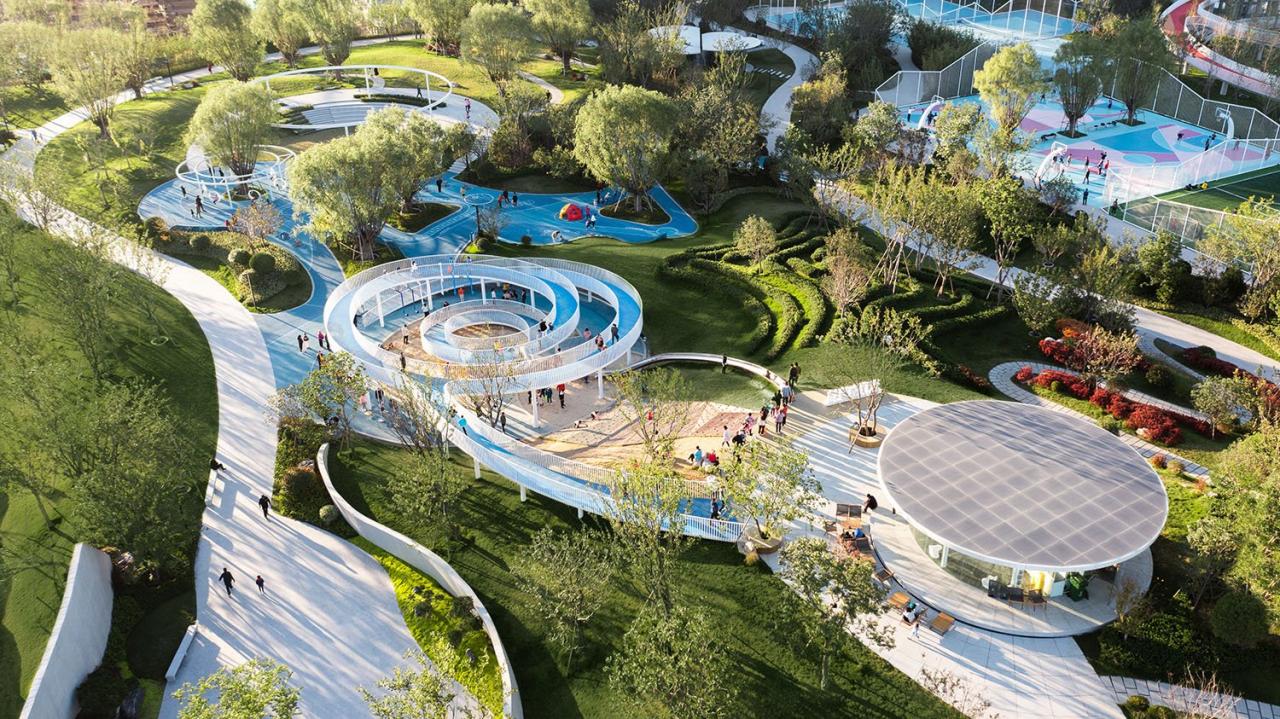
In an era of increasing water scarcity, the Aurora Vortex sets a new standard for water management, aiming to drastically reduce its draw on the municipal supply.
A. Advanced Rainwater Harvesting
Every roof and gutter in the complex is part of a massive rainwater catchment system. Collected water is channeled into enormous underground storage tanks. This harvested water is then treated and purified on-site to a potable (drinkable) standard using a combination of UV filtration and reverse osmosis, making it safe for use in concessions and as drinking water.
B. Greywater and Blackwater Recycling
Beyond rainwater, the complex treats all its wastewater on-site through a state-of-the-art membrane bioreactor (MBR) system.
-
Greywater from sinks and showers is filtered and treated for non-potable uses.
-
Blackwater from toilets undergoes intensive treatment and is reused for irrigation and, most notably, for flushing toilets, creating a nearly closed-loop system for sewage.
C. Intelligent Irrigation and Xeriscaping
The sprawling outdoor fields are irrigated almost exclusively with treated wastewater and harvested rainwater. The system is smart, equipped with soil moisture sensors and weather forecasting integration to water only when and where necessary. Furthermore, the landscaping primarily features native, drought-resistant plants (xeriscaping) that require minimal supplemental watering, eliminating the need for a thirsty, manicured lawn.
Sustainable Material Selection and Waste Management
The green ethos extends to every material used in the complex’s construction and daily operation.
A. Responsible Sourcing and Low-Carbon Materials
The construction prioritized recycled and locally sourced materials to minimize embodied carbon from transportation. Examples include:
-
Recycled Steel: Over 95% of the structural steel is made from recycled content.
-
Reclaimed Wood: Bleachers, decorative accents, and furniture were crafted from wood reclaimed from old barns and factories.
-
Low-Carbon Concrete: Where concrete was necessary, a special mix incorporating industrial byproducts like fly ash was used, significantly reducing the carbon footprint compared to traditional Portland cement.
B. Radical Waste Diversion Programs
The complex has an ambitious goal of becoming a zero-waste-to-landfill facility. This is achieved through:
-
Comprehensive On-Site Sorting: Clearly marked bins for compost, recycling, and landfill are ubiquitous. Staff, including “green guides,” are present to help visitors sort their waste correctly.
-
Composting: All food waste from concessions and kitchens is composted in an on-site industrial composter. The resulting nutrient-rich compost is then used to fertilize the native landscaping.
-
Circular Economy for Concessions: Concession stands have eliminated single-use plastics. Food is served on reusable or certified compostable serviceware. Drinks are offered in aluminum cans or through refillable cup programs, with water stations encouraging the use of personal bottles.
Community Impact and Economic Sustainability
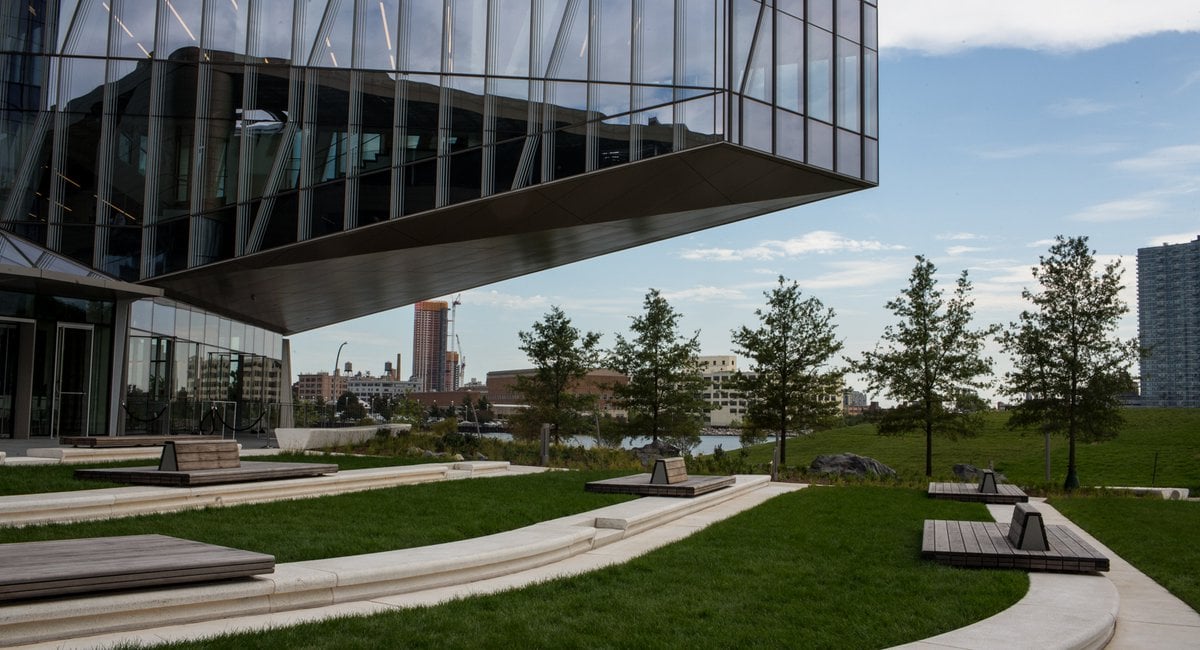
The benefits of the Aurora Vortex extend far beyond its environmental metrics, creating a vibrant and healthy community hub.
A. An Educational Living Lab
The complex is designed as an educational tool. Interactive digital kiosks throughout the concourses display real-time data on energy production, water savings, and waste diversion. Schools are encouraged to book tours, turning the facility into a living laboratory that inspires the next generation of engineers, architects, and environmentally conscious citizens.
B. Promoting Active and Green Transportation
To discourage car use, the facility offers:
-
Superior Bicycle Infrastructure: Ample secure bike parking, showers, and locker rooms for cyclists.
-
Electric Vehicle Charging Stations: Over 50 charging ports are available in the parking lot, encouraging the adoption of EVs.
-
Partnerships with Public Transit: Event tickets include discounted or free passes for the local bus and light rail system, with dedicated shuttle services running on event days.
C. Long-Term Economic Viability
While the initial investment in green technology is higher, the long-term operational savings are substantial. Drastically reduced utility bills (for energy and water), lower waste disposal costs, and reduced maintenance create a strong economic case. Furthermore, its status as a pioneering green landmark attracts a wider range of events, sponsorships, and visitors, boosting local tourism and commerce.
Conclusion: A Lasting Legacy for the Future of Sport
The opening of the Aurora Vortex Athletic Complex is more than a local news story; it is a global benchmark. It irrefutably demonstrates that the stadiums and sports complexes of the future must be designed as integrated ecological systems. This facility proves that with vision, innovation, and commitment, we can create spaces that celebrate human achievement without compromising the health of our planet. It challenges every municipality, university, and private developer to aim higher, to look beyond short-term costs towards long-term gains for the community and the environment. The Aurora Vortex is not just a place to watch a game; it is a promise of a greener, more sustainable future, and the ultimate victory it celebrates is not just on the field, but for the Earth itself.