
The landscape of international tourism is undergoing a significant transformation, with sports emerging as a powerful catalyst for economic development and global city branding. In Southeast Asia, this trend is particularly pronounced as nations compete to host world-class events that draw international visitors, generate substantial economic activity, and promote healthier lifestyles. This article explores how major sporting events are reshaping the tourism sector, with a specific focus on the success of the BTN Jakarta International Marathon (JAKIM) 2026 and similar initiatives that highlight the region’s potential as a premier sports tourism destination.
The Rise of Sports Tourism in Southeast Asia
Sports tourism has evolved from a niche market into a major economic driver for cities worldwide. Destinations like Boston with its iconic marathon, London with Wimbledon, and Tokyo with its Olympic legacy have demonstrated how athletic events can become integral to a city’s identity and economic fabric. Southeast Asia is now catching up, with Jakarta, Kuala Lumpur, and other regional capitals positioning themselves as hosts for international competitions that attract athletes and spectators from across the globe. The success of these events has shown that sports offer a unique pathway to showcase a city’s infrastructure, hospitality, and culture to a worldwide audience.
JAKIM 2026: A Landmark Achievement for Jakarta
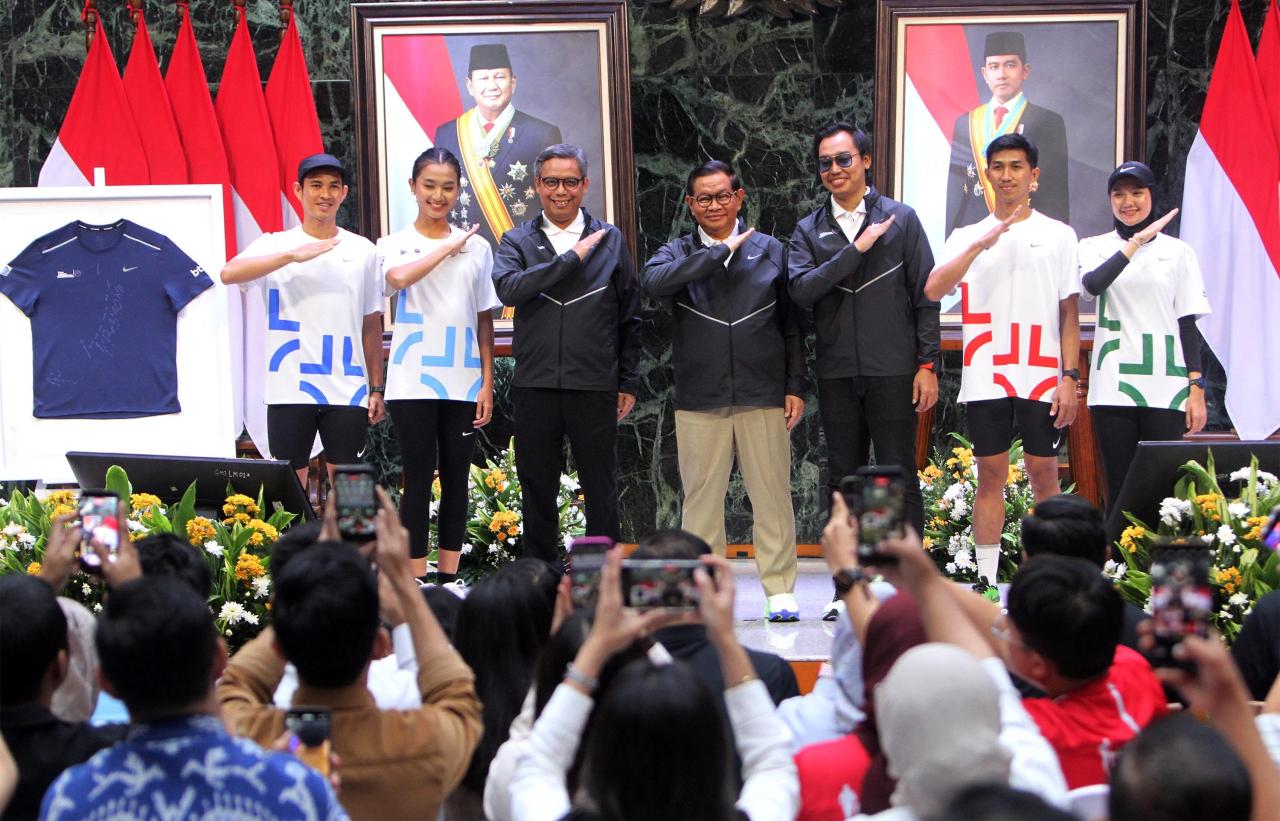
The BTN Jakarta International Marathon (JAKIM) 2026 marked a historic milestone in Indonesia’s journey toward becoming a global sports tourism hub . Held on June 13-14, 2026, the event attracted an unprecedented 45,500 participants, representing a remarkable 47% increase from the previous year . This significant growth underscores the rising confidence and interest in international sporting events hosted in Jakarta.
The event featured multiple race categories catering to diverse skill levels, including a 5K run with 5,500 participants, a 10K category with 10,000 runners, a Half Marathon (21K) with 21,300 participants, and a full Marathon (42K) attended by 8,200 elite and amateur runners . This comprehensive structure ensured broad participation from both casual fitness enthusiasts and competitive athletes.
What made JAKIM 2026 particularly remarkable was its international appeal. The event hosted 1,012 international runners from 52 countries, with Malaysia, Singapore, and South Korea recording the highest international participation . This diverse international turnout demonstrates Jakarta’s growing reputation as a destination capable of hosting events that draw global talent and spectators.
Economic Impact and Hotel Occupancy Surge
The economic ripple effects of JAKIM 2026 were immediately apparent across Jakarta’s hospitality sector. Hotels in key areas, including Sudirman, Senayan, and Thamrin, experienced a surge in occupancy rates, with many reporting full bookings . This hotel boom was driven primarily by out-of-town and international participants seeking convenient access to race locations and official events.
According to Nixon Napitupulu, President Director of BTN, the economic impact generated by JAKIM 2026 was projected to double compared to previous editions . This estimate accounts for spending across multiple sectors beyond accommodation, including food and beverage services, retail shopping, local transportation, and entertainment. The presence of thousands of international visitors over the race weekend provided a substantial injection into Jakarta’s economy.
Indonesian Minister of Youth and Sports, Erick Thohir, emphasized that the event served as a critical driver for economic growth through sports tourism and the broader sports industry . He noted that with 45,000 participants, the economic multiplier effects were substantial, benefiting numerous business sectors and reinforcing the link between athletic events and economic prosperity .
Jakarta’s Path to Becoming a Premier Sports Destination
The success of JAKIM 2026 has helped position Jakarta as a world-class sports tourism destination . Officials and policymakers have expressed their commitment to building on this momentum through strategic planning and infrastructure development. The Jakarta Provincial Government, in partnership with BTN and other stakeholders, aims to transform the capital into one of Southeast Asia’s premier locations for international sporting events.
Rano Karno, Deputy Governor of DKI Jakarta, expressed pride in the event’s successful execution and thanked all parties involved. He stated that the high level of participation demonstrated Jakarta’s capability to host large-scale international events and highlighted the city’s growing appeal to global athletes and tourists . The event also served as an example of how sports can foster a healthy lifestyle while simultaneously promoting the city’s tourism sector.
The event aligns with Indonesia’s broader strategy to enhance its international sports profile. Minister Erick Thohir has proposed a vision of creating a series of marathons across Southeast Asia, comparable to the Boston Marathon in the United States and the Tokyo Marathon in Japan . This proposal envisions an ASEAN regional marathon circuit to be established in 2027 or 2028, including Indonesia, Singapore, Malaysia, and the Philippines. Such collaboration would strengthen regional connectivity and create a more robust sports tourism ecosystem.
The vision is consistent with the Bali Declaration, established during the Southeast Asia Ministerial Meeting on Youth and Sports (SEAMMYS) in May 2026, where ASEAN nations agreed to strengthen collaboration and share information in organizing international sports events . Through such regional partnerships, Southeast Asian countries aim to enhance their event-hosting capacity, drive tourism, and promote economic growth through sports.
The Malaysian Sports Tourism Power Play
While Indonesia celebrates the achievements of JAKIM 2026, Malaysia is simultaneously leveraging major sporting events to drive tourism under its Visit Malaysia 2026 campaign. The country has adopted a multi-event strategy encompassing various sports disciplines to attract diverse audiences and maximize economic benefits.
POWERMAN Malaysia Duathlon
The POWERMAN Malaysia event, scheduled from September 18-20, 2026, is poised to become a cornerstone of Malaysia’s sports tourism calendar . As a world-class duathlon event targeting up to 5,000 participants, POWERMAN Malaysia represents the growing appetite for multi-sport competitions in the region. The event has already established a remarkable record as the location with the highest number of participants globally among all POWERMAN series locations worldwide, surpassing other host countries including Switzerland, Germany, Brazil, and the United States.
The event’s Director, Niklas Yong Tzy Foong, explained that the success stems from strategic location choices and a commitment to designing events for all skill levels . The Dataran Putrajaya, Malaysia’s administrative center, provides suitable race routes and an organized city atmosphere that appeals to both elite athletes and amateur participants. The event also includes the PowerKids program, ensuring family participation and making endurance sports accessible to all age groups.
Formula One’s Return to Malaysia
Another significant boost for Malaysian sports tourism comes from the return of Formula One racing to the Sepang International Circuit . The relocation of the Bahrain Grand Prix to Malaysia has created an immediate surge in hotel bookings, with properties near the circuit recording full occupancy shortly after the announcement. This event, scheduled for October 2026, is expected to drive significant economic activity across multiple sectors including hospitality, transportation, food services, and retail.
According to Tourism Selangor CEO Chua Yee Ling, the Formula One race presents a major opportunity to promote packages combining race attendance with nature experiences, cultural tours, culinary offerings, shopping, and family-oriented attractions . The goal is to encourage visitors to extend their stay and explore more of Selangor, creating lasting economic benefits for local communities and businesses. This integrated approach reflects an understanding that major sporting events can serve as gateways to broader tourism experiences.
The Power of Major Sporting Events to Transform Local Economies

The success of events like JAKIM 2026 and Malaysia’s power sports initiatives demonstrates the transformative potential of sports tourism. When well-organized international competitions draw thousands of participants and spectators, the economic effects cascade through multiple sectors of the local economy.
A. Hospitality and Accommodation
The most immediate impact is on the hospitality sector. Hotels near event venues often reach full capacity . JAKIM 2026 saw hotels in central Jakarta reporting full bookings, while hotels near the Sepang International Circuit sold out within hours of the Formula One announcement . This surge benefits not only premium hotels but also budget accommodations and homestay operators, creating opportunities at various price points.
B. Food and Beverage Services
Restaurants, cafes, and local eateries experience significant increases in customer traffic during major events. Participants and spectators spend substantial amounts on meals, snacks, and beverages throughout their stay. This surge particularly benefits businesses located near competition venues and in popular tourist areas.
C. Retail and Shopping
International visitors bring purchasing power that benefits local retailers. From sports gear and merchandise to souvenirs and everyday necessities, retail businesses near event venues often see revenue spikes. This includes both large shopping centers and small independent shops.
D. Transportation Services
The influx of visitors drives demand for various transportation services. Airports handle increased passenger traffic, taxi and ride-sharing services see more bookings, and public transportation systems often need to accommodate extra riders. Event organizers frequently partner with transport providers to ensure smooth movement of participants and spectators.
E. Local Attractions and Cultural Experiences
Many event participants extend their stays to explore local attractions, creating opportunities for cultural and heritage sites, museums, theme parks, and guided tours. This linkage between sports events and traditional tourism is a key strategy for maximizing economic benefits .
F. Small and Medium Enterprises
Perhaps the most critical economic benefit is felt by small and medium enterprises (SMEs) and micro-businesses . Local artisans, food vendors, and service providers can gain significant exposure and revenue during major events. DPRD DKI Jakarta member Dwi Rio Sambodo emphasized the importance of ensuring these benefits are not confined to large hotel chains but are distributed to local entrepreneurs . He advocated for expanding the involvement of UMKM actors through exhibition spaces, bazaars, collaboration with tourist destinations, and strengthening local shopping and culinary ecosystems.
G. Destinations Beyond Event Venues
The benefits of major sporting events extend beyond the immediate event locations . During JAKIM 2026, hotels in surrounding areas also benefited, reflecting how major events can create positive economic spillover effects across wider geographic regions. Similarly, the Formula One event in Sepang is expected to drive hotel occupancy throughout the Klang Valley, including Putrajaya and Kuala Lumpur .
Community Engagement and Health Promotion
Sports events also serve vital social purposes, promoting healthy lifestyles and community engagement. The Jakarta International Marathon has been instrumental in encouraging the Indonesian public to incorporate regular physical activity into their daily routines . The growing participation numbers reflect an increasing awareness of health and wellness as essential components of modern life.
The Ministry of Youth and Sports views events like JAKIM as critical vehicles for promoting health alongside economic development. Minister Erick Thohir stated that the high level of public participation demonstrates that sports are increasingly becoming an integral part of Indonesian culture . This represents a positive trend where sporting events contribute not only to economic growth but also to the overall wellbeing of the population.
Community-focused programs like the PowerKids event in Malaysia and various family-friendly activities during JAKIM 2026 show that sports events can unite families and communities . Children participating in specially designed races learn the values of fitness and perseverance, creating a new generation of health-conscious citizens. The involvement of local sports communities, such as Gruppetto and Voltra in Malaysia, has also helped expand reach and increase public awareness about endurance sports .
Challenges and Future Considerations for Sports Tourism Growth
While the outlook for sports tourism in Southeast Asia is bright, several challenges need to be addressed to ensure sustainable growth and maximize long-term benefits.
Infrastructure Development
Hosting international sporting events requires substantial infrastructure investment . This includes developing or maintaining world-class sporting facilities, ensuring adequate transportation networks to handle increased capacity, and enhancing public spaces for spectators and participants. Indonesia’s DPRD Member Dwi Rio Sambodo emphasized the importance of sustainable urban sports infrastructure to support ongoing events . Without continued investment, cities risk losing their competitive edge in hosting international competitions.
Event Quality and Standards
Achieving international accreditation is critical for attracting elite athletes and global media attention . JAKIM has achieved Elite Gold status, reflecting its compliance with rigorous international standards . Maintaining and improving these standards requires ongoing commitment from organizing committees, government bodies, and sponsors to ensure events meet the expectations of international participants.
Multi-Sector Collaboration
Successful sports tourism requires seamless coordination across numerous stakeholders . Event organizers must work closely with government agencies, security forces, medical teams, media outlets, transportation authorities, and hospitality providers. In Malaysia, the collaboration between various agencies has been highlighted as a key success factor in hosting multiple events . This integration ensures that events run smoothly while minimizing disruptions to local communities.
Economic Inclusivity
Ensuring that the economic benefits of events reach diverse segments of the population remains crucial . There is a risk that economic gains become concentrated in a few sectors or among larger corporations, leaving small businesses and local entrepreneurs behind. Promoting SMEs through trade fairs, bazaars, and promotional collaborations can help distribute benefits more equitably.
The Future of Sports Tourism in Southeast Asia
Based on the current trajectory, the future of sports tourism in Southeast Asia appears extremely promising. Several key trends and developments point to continued growth and evolution in the sector.
A. Regional Integration
The proposal for an ASEAN marathon circuit represents an ambitious vision of regional cooperation in sports tourism . Such an initiative would allow runners to participate in a series of events across different countries throughout the year, creating a longer and more sustained tourism engagement period. This regional approach would promote integration and strengthen Southeast Asia’s collective position in the global sports tourism market.
B. Event Diversification
The region is seeing increasing diversity in the types of sporting events hosted. Beyond traditional marathon running, Malaysia is promoting triathlons, duathlons, and motorsports . This diversification helps attract different audience segments and creates year-round opportunities for sports tourism rather than depending on a single annual event.
C. Experience Integration
Successful events are increasingly integrating sports competitions with broader tourism experiences . Including cultural experiences, culinary tours, and nature attractions in travel packages encourages visitors to extend their stay and spend more money. This approach transforms sporting events from standalone competitions into comprehensive tourist experiences.
D. Technology and Innovation
The adoption of technology in event management, participant registration, and visitor services will enhance the efficiency and appeal of future events. Online booking systems, race tracking apps, and digital engagement platforms are already being deployed to improve participant and spectator experiences.
E. Sustainability Focus
As global awareness of environmental issues grows, there is increasing pressure for events to adopt sustainable practices. This includes reducing waste, managing transportation impacts, and ensuring events do not negatively affect local communities or environments. Southeast Asian event organizers are increasingly recognizing the importance of sustainability in building long-term event reputations.
The Link Between JAKIM 2026 and International Event Standards
The organizers of JAKIM 2026 demonstrated an understanding of the critical importance of meeting international event standards. The achievement of Elite Gold label status, as mentioned by DPRD DKI Jakarta member Rio Sambodo, indicates that Jakarta has committed to delivering events that meet the highest benchmarks required by global athletic organizations . This standard signifies that Jakarta can compete with established sporting cities in terms of infrastructure, participant experience, and operational excellence.
To maintain this standard, the organizers focused on several key areas:
A. Comprehensive participant services, including pre-event information and logistics support.
B. Medical readiness, ensuring adequate emergency response capabilities during the event.
C. Media management and public information dissemination.
D. Multi-agency coordination for security, traffic management, and community safety .
Encouraging Healthy Lifestyle Through Major Sporting Events
Beyond economic implications, major events like JAKIM 2026 and the various Malaysian sports initiatives play a vital role in promoting healthy lifestyles. The massive participation numbers demonstrate that health consciousness is becoming an increasingly important aspect of modern culture. Minister Erick Thohir articulated this connection clearly, noting that sporting events promote both physical fitness and economic vitality .
The integration of categories for all skill levels in events like POWERMAN Malaysia, which includes programs for children and participants with varying ability levels, creates broad accessibility . Such inclusivity helps embed sports into communities and encourages participation across all demographics.
The social aspect of these events is also significant. Participants often travel with families or groups of friends, turning the competitions into social gatherings that strengthen community bonds while promoting physical activity .
Malaysia’s Visit 2026 Campaign Integration
The Visit Malaysia 2026 campaign represents one of the most ambitious national tourism development initiatives in the region. With a target of 47 million tourist arrivals and RM329 billion in tourism receipts, the campaign has integrated multiple major sporting events as key drivers . The POWERMAN Malaysia event, the Challenge Malaysia triathlon, the return of Formula One, and other competitions are all being leveraged as part of this comprehensive strategy.
The role of sports events in achieving tourism targets is clear. Each international competition brings thousands of visitors, creating immediate economic impacts and building long-term brand recognition for the country. These events also help position Malaysia as a dynamic destination with world-class facilities and exciting experiences.
Conclusion

The success of the BTN Jakarta International Marathon 2026 and Malaysia’s strategic sports tourism initiatives represent a new chapter in Southeast Asia’s economic development and global positioning. As Jakarta draws more than 45,000 participants from 52 countries, it has shown that the region is not only capable of hosting world-class events but is also ready to compete with established global sporting destinations.
The economic ripple effects of these events cascade through hospitality, retail, transport, and local business sectors, delivering tangible economic benefits while promoting healthy lifestyles and community engagement. Future regional cooperation through initiatives like the proposed ASEAN marathon circuit promises to amplify these advantages further.
As the region continues to invest in infrastructure, maintain international event standards, and foster multi-sector collaboration, the prospects for sports tourism growth in Southeast Asia appear extraordinarily bright. The momentum generated by events like JAKIM 2026 and Malaysia’s Visit 2026 sports calendar provides a strong foundation for an even more ambitious future. The challenge ahead is to build on this success through continued innovation, inclusivity, and commitment to excellence.