

The 2026 FIFA World Cup has been a tournament of surprises, captivating billions of viewers with its unpredictable twists and turns. While the defending champions, Argentina, managed to scrape through to the next round with a narrow victory, the team that truly captured the hearts of the global audience was not the victor, but the vanquished. The match between the footballing giant and the small island nation of Cape Verde ended in a 3-2 win for Argentina in extra time . However, in the court of public opinion, a different verdict was rendered. The brave, resilient, and unforgettable performance of the “Blue Sharks” resonated so profoundly that it sparked a massive surge of interest in the country itself, leading to a tourism boom that has left industry experts astonished. This article delves into how a single match transformed Cape Verde from a relatively obscure archipelago into a trending global destination and examines the ripple effects of this phenomenon.
A Moral Victory: Winning Hearts Despite the Scoreline
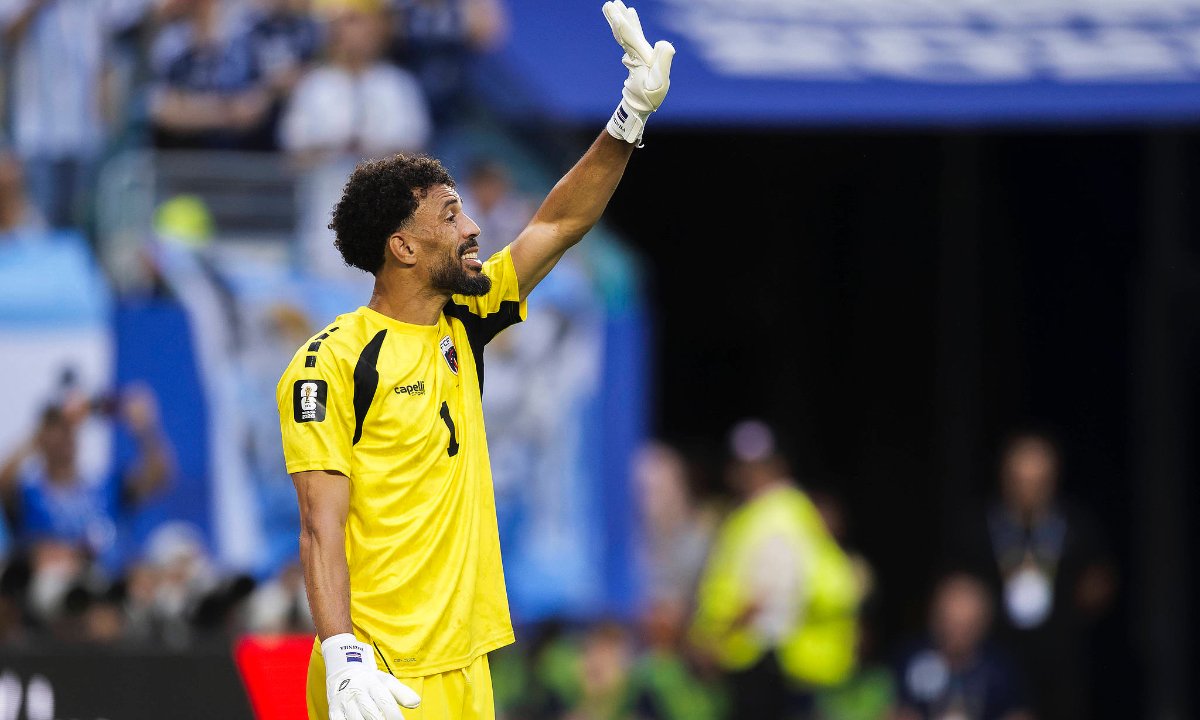
The narrative of the match was one of a classic David versus Goliath story. Lionel Messi and his Argentine squad were expected to comfortably dispatch the tournament debutants. However, the reality was far from a walk in the park. For over 120 minutes, Cape Verde pushed the defending champions to their absolute limit. Their tactical discipline, relentless energy, and unwavering belief turned what was predicted to be a one-sided affair into a nail-biting thriller . The key to their resistance was the 40-year-old goalkeeper, Josimar Dias, known globally as Vozinha, who delivered a performance for the ages. His series of spectacular saves, including multiple blocks against the legendary Messi, nearly engineered one of the greatest upsets in sports history .
This valiant effort resonated deeply with fans worldwide, particularly in China. The hashtag “Cape Verde lost the match but won the world” trended vigorously on social media, amassing over 410 million views . It reflected a sentiment that transcended the final score: that the true measure of a team is not just victory, but the spirit and fight they display. The match was so enthralling that it forced Argentina to keep Messi on the field for the entire 120 minutes, a clear testament to the pressure applied by the resilient “Blue Sharks” .
The admiration for Cape Verde’s tenacity extended into other areas of public life. Professor Shi Yigong, president of Westlake University, cited Cape Verde’s performance in his commencement speech as a prime example of perseverance and aspiration, noting how a nation of just 540,000 people could challenge the world’s best . This cultural impact was further amplified by the team’s public gratitude towards Chinese fans, which fostered a powerful sense of connection and camaraderie between the two peoples .
The Vozinha Phenomenon: From Unknown to Global Icon

If the team was the story, Vozinha was the legend. Before the tournament, the goalkeeper was relatively unknown outside of African football. By the end of the match against Argentina, he had become a global superstar. His heroic performance, marked by incredible reflexes and a commanding presence, turned him into an overnight internet sensation.
This individual fame played a massive role in boosting Cape Verde’s profile. The phenomenon was so potent that:
A. Google search interest in Vozinha skyrocketed globally. In Brazil, a country with its own rich footballing history, search interest in Vozinha surpassed that of Neymar, the country’s own football icon, during the match . This highlighted how his performance captivated even the most discerning football nations.
B. His Instagram following exploded, climbing to nearly 20 million followers. This rapid rise in popularity put him in the same conversation as some of the biggest names in the sport, surpassing the online following of legendary goalkeepers like Manuel Neuer . Memes and tributes celebrating his saves, which were likened to a “bus parked in front of the goal,” flooded the internet .
C. The demand for his merchandise skyrocketed. The official Cape Verde national team jersey, sold by Capelli Sports, saw a significant spike in searches and purchases, with fans eager to own the shirt worn by the man who nearly stopped Messi . The 99-dollar jersey became a coveted souvenir symbolizing the underdog spirit.
The Tourism Tsunami: When Sports and Travel Collide
The emotional connection forged on the football field had a direct and immediate economic impact. Travel data from the days following the match shows an unprecedented spike in interest in Cape Verde as a tourist destination. This surge is a textbook example of the “World Cup effect” on a nation’s soft power and tourism industry. The excitement generated by their performance made people curious about the place these heroes came from, turning a virtually unknown country into a “must-visit” destination.
The numbers are staggering, painting a clear picture of the tourism boom. Travel agencies reported astronomical increases in searches and bookings.
Key Data Points on the Cape Verde Travel Surge
| Metric | Growth Rate | Timeframe | Source |
|---|---|---|---|
| Year-on-Year Searches | 388% increase | As of late June 2026 | Trip.com Group |
| Month-on-Month Searches | 852% increase | June 2026 | Trip.com Group |
| Week-on-Week Searches | Over 200% increase | 24 hours post-match | Tongcheng Travel |
| Connecting Flight Searches (HK to Cape Verde) | 1,200% increase | Week-on-week | HopeGoo |
The interest was not just limited to curiosity; it translated into tangible bookings. The same data suggests that flight bookings to the island nation rose by 76% compared to the previous year, while hotel bookings increased by 46% . Chinese metropolises like Shanghai, Guangzhou, and Beijing were at the forefront of this interest, indicating a significant new market for Cape Verdean tourism .
Moreover, the nature of the inquiries is evolving. There has been a rapid increase in demand for customized travel packages, specifically for “Cape Verde + Lisbon” combined itineraries and multi-island hopping tours . This suggests that travelers are looking to explore the country beyond a simple resort stay, indicating a deeper and more sophisticated interest in its culture and landscape.
Cape Verde: A Gem in the Atlantic
For many, this newfound interest begs the question: what is Cape Verde? The country is an archipelago of ten volcanic islands located in the central Atlantic Ocean, about 500 km off the coast of West Africa . It is part of the Macaronesia region, alongside the Azores, Madeira, and the Canary Islands.
The nation enjoys a tropical climate with about 350 sunny days per year, making it an ideal destination for year-round tourism . Its volcanic origins have blessed it with a dramatic landscape of rugged mountains, pristine beaches, and fertile valleys. Each island boasts its own unique identity, a rich blend of Creole, African, and European influences, which is reflected in its vibrant music, culture, and architecture .
The Culinary and Cultural Experience
Tourism in Cape Verde is not just about sun and sand; it is also a gastronomic adventure. The country’s cuisine is a flavorful fusion that reflects its diverse heritage. The most famous dish is Cachupa, a slow-cooked stew made from corn, beans, and cassava, mixed with meat or fish . Considered the national dish, it is a comforting and hearty meal that embodies the soul of Cape Verde. Beyond Cachupa, visitors can enjoy fresh seafood, tropical fruits, and the famous “grogue,” a local spirit distilled from sugarcane. The nation’s music, particularly the soulful rhythms of “morna” and “funaná,” adds another layer to the cultural experience.
The Economic Context: A Game Changer for Tourism
The post-match tourism boom is a significant opportunity for Cape Verde’s economy. Currently, the tourism sector contributes approximately 25% to the nation’s GDP . However, the industry has historically been heavily reliant on a handful of European countries, which account for over 70% of international arrivals . The massive surge in interest from the Asian market, particularly China, represents a potential game-changer. It offers a chance for Cape Verde to diversify its tourism base, attracting visitors from non-traditional markets and making the sector more resilient to regional economic fluctuations. The World Cup has inadvertently provided a platform for Cape Verde to showcase itself to a new demographic of millions of potential tourists .
In conclusion, Cape Verde’s World Cup campaign, though ending in defeat, was a monumental victory in terms of global recognition and branding. The heart-stopping performance against Argentina, epitomized by the heroic Vozinha, sparked an international wave of admiration that translated directly into a surge in tourism. The “Cape Verde Effect” demonstrates the immense power of sports to drive economic change and shift perceptions. The narrative of a small island nation fighting with valor and grace resonated with a world hungry for inspiration, and in doing so, it opened a new chapter for Cape Verde as a global tourist destination.