
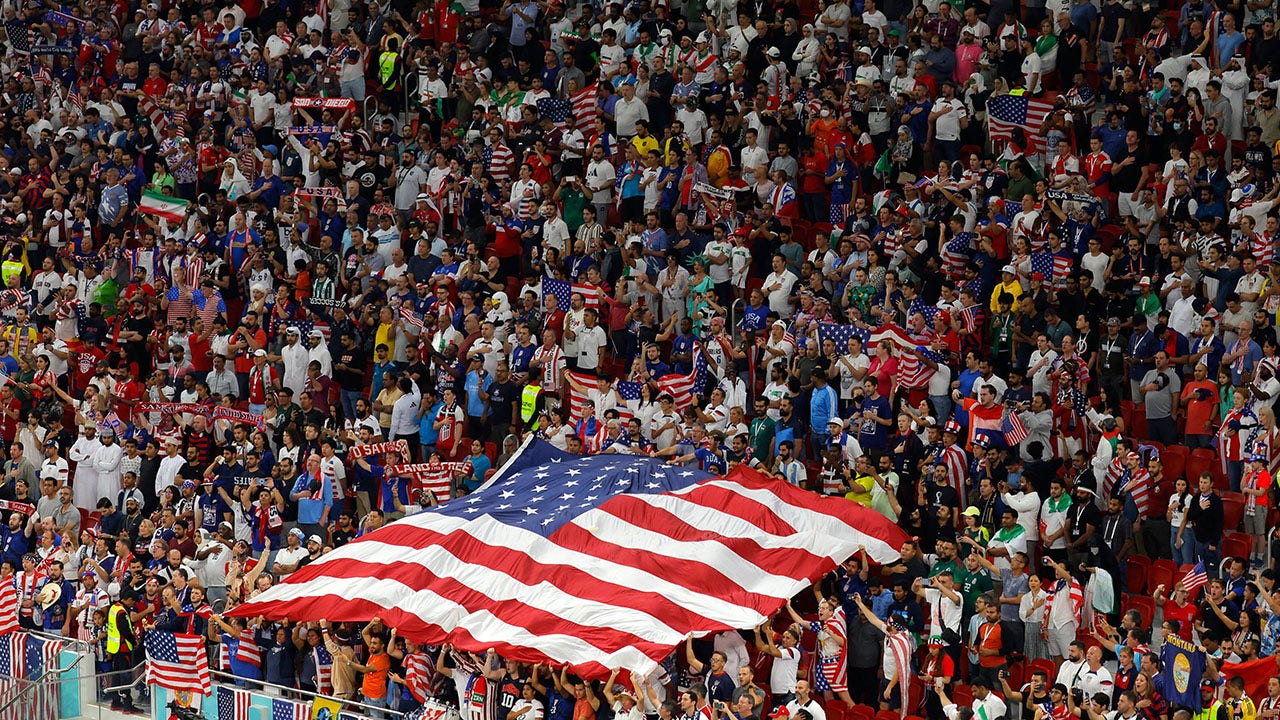
The 2026 FIFA World Cup has been a tournament of stunning upsets, breathtaking goals, and record-breaking audiences. Yet, for the millions packed into Seattle’s Lumen Field and the tens of millions watching globally, one of the most unforgettable moments of the knockout stages didn’t involve a ball hitting the back of the net. It happened before the whistle even blew. As the U.S. national anthem swelled through the stadium, four powerful fighter jets thundered overhead in a precision military flyover, sending an electric shockwave of patriotism and awe through the crowd .
This event, which took place before the highly anticipated Round of 16 clash between the United States and Belgium, was more than just a pre-game spectacle. It was a masterclass in national symbolism, a testament to intricate military planning, and a powerful reminder of the deep-rooted connection between American sports, military service, and national pride. This article delves deep into the details of that electrifying moment, exploring its significance, the meticulous planning behind it, and the broader context of military flyovers in American culture.
A Nation Takes to the Skies
The atmosphere in Seattle was palpable long before the players took the pitch. A sell-out crowd of passionate fans, many draped in the Stars and Stripes, had gathered to witness their team attempt to make history. The energy was a culmination of a long holiday weekend and the fervent hope that the USMNT could advance to the quarterfinals for the first time since 2002 .
As the first notes of the “Star-Spangled Banner” echoed through the stadium, a hush fell over the 70,000-strong crowd. Then, as the anthem reached its triumphant climax, four fighter jets soared low over the stadium, their roar momentarily drowning out the singing fans before a deafening roar of approval erupted from the stands . For the fans in attendance, the flyover transformed a pre-game routine into an unforgettable, visceral experience.
Fan Reactions: “Electric, Man”
The immediate reaction on social media perfectly captured the emotional impact of the moment. Fans took to platforms like X (formerly Twitter) to express their awe. One fan encapsulated the sentiment perfectly, writing, “That flyover was electric man, holy s***!” . Another described the sensation vividly: “GOOSEBUMPS listening to the national anthem and the flyover! Let’s go USMNT” . A third simply stated the feeling that many shared: “Nothing gives me chills more than a flyover, man” .
Beyond the Spectacle: The Role of Military Flyovers
While a fighter jet flyover might seem like a surprising sight to some international soccer fans, particularly in the context of a global event like the World Cup, it is a deeply ingrained tradition in the United States. The flyover is a staple of major American sporting events, from the Super Bowl and college football games to Major League Baseball’s Opening Day and the World Series .
A Symbol of Patriotism and Unity
In the U.S., these flyovers are not merely considered entertainment. They are treated as a highly symbolic performance. They are a visible and visceral demonstration of respect for the nation, its flag, and its military personnel. The presence of cutting-edge military aircraft serves as a powerful symbol of national strength and technological prowess, uniting the crowd in a shared moment of patriotic fervor .
This ritual is particularly prominent on national holidays like Independence Day (July 4th), where military aircraft are a common sight at stadiums across the country, creating a powerful sense of national unity and celebration .
A Training Mission in Disguise
Despite its ceremonial nature, a stadium flyover is also a valuable training exercise for pilots and aircrews. The precision required to fly over a specific point—a stadium—at a precise time—the end of the national anthem—is a demanding task that requires exceptional navigational skills, communication, and timing. This is akin to the coordination needed for real-world combat missions . As such, the Department of Defense views these events not just as public relations exercises but also as legitimate training opportunities that allow pilots to hone their skills while boosting public morale .
The Anatomy of a Perfect Flyover: Precision and Partnership
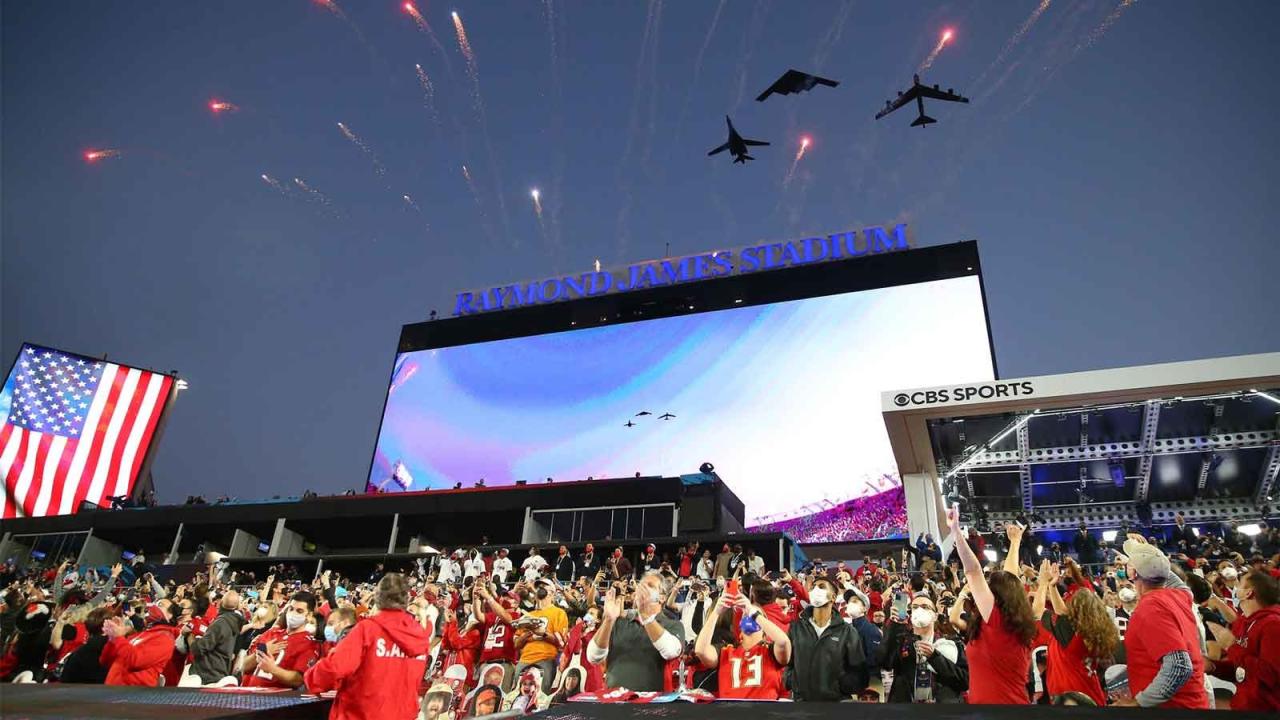
The flyover at the USA-Belgium match was a culmination of months of planning, coordination, and collaboration between the military, FIFA, and local authorities. While the sight of the fighter jets was breathtaking, the planning behind it was a feat of logistical and operational excellence .
The Joint Effort
While the U.S.-Belgium flyover featured Air Force fighter jets, another flyover earlier in the tournament showcased the spirit of military partnership. For the highly anticipated USA vs. Australia group stage match, also held in Seattle, the U.S. Army’s 16th Combat Aviation Brigade teamed up with Australian Army pilots in a joint flyover .
This event involved a formation of four helicopters: two UH-60 Blackhawks and two AH-64 Apaches. The team was comprised of three Australian pilots, five American pilots, and four American crew chiefs . In a gesture of international cooperation, Australian pilots were placed in key positions within the formation, including the “tail” of the diamond, which is considered the most challenging position .
This joint effort was a powerful symbol of the integration and interoperability between the U.S. and Australian militaries through the Military Personnel Exchange Program. As Capt. Connor Richey, the Air Mission Commander, noted, giving the Australian crew the chance to represent their country on a global stage highlights the deep operational ties between the two allied forces .
Meticulous Planning
Whether for the joint helicopter flyover or the later fighter jet flyover, the planning process is incredibly complex. For the 16th Combat Aviation Brigade, the work began long before match day. Planning involved constant coordination with FIFA representatives, Federal Aviation Administration (FAA) stakeholders, local authorities, and various supporting agencies .
The key steps in planning a stadium flyover include:
A. Coordination: Synchronizing timelines, airspace access, and stadium requirements with event organizers (FIFA, NFL, MLB, etc.) and local authorities.
B. Flight Planning: Using sophisticated mission planning software to pinpoint precise waypoints, approach vectors, and timing. Chief Warrant Officer 3 Mark Cuthbert spearheaded this tactical planning for the joint flyover .
C. Risk Mitigation: Developing comprehensive communications plans and mitigating all operational risks, a task that requires input from all stakeholders .
D. Rehearsal: Conducting a full rehearsal of the formation and the flyover sequence days before the actual event to validate timing and familiarize the pilots with the formation .
E. Execution: Performing the flyover with split-second precision, timed perfectly to match the conclusion of the national anthem.
A History of Flyovers and the Record-Breaking Audience
The 2026 World Cup flyovers are not the first of their kind in soccer’s grandest tournament. During the 1994 World Cup final at the Rose Bowl in Pasadena, California, a fighter jet formation also roared over the stadium, marking a memorable moment in the tournament’s history held on American soil .
However, the 2026 flyovers reached an even larger audience, thanks to record-breaking viewership. The U.S. match against Belgium was a cultural phenomenon, and the flyover was a key part of a spectacle that captured the nation’s imagination. It was revealed that the U.S. team’s previous match, a win against Bosnia and Herzegovina in the Round of 32, had drawn a massive audience of 26.4 million on FOX, making it the most-watched U.S. soccer match in history .
The anticipation for the Belgium game was even higher, with millions tuning in from home, making the flyover a shared national moment broadcast to the largest soccer audience in American history.
The Context: A World Cup Drama
The flyover served as a powerful and positive start to a highly dramatic match. On the field, the U.S. faced a formidable opponent in Belgium, who scored early to take the lead. Off the field, the game was surrounded by a bizarre and controversial storyline involving a red card suspension for U.S. star Folarin Balogun. In a stunning turn of events, former President Donald Trump publicly appealed to FIFA President Gianni Infantino to overturn the suspension, a decision that was ultimately granted, sparking fury from the Belgian camp .
In the midst of this high-stakes drama, the flyover provided a unifying moment of pure, unadulterated national pride. It was a spectacle that transcended the political and sporting controversies, reminding everyone of the power of shared experiences and national identity.
Conclusion

The military flyover that electrified the World Cup crowd in Seattle was a multifaceted event. It was a thrilling spectacle that gave fans goosebumps, a deeply patriotic symbol of national pride, and a complex military operation requiring meticulous planning and coordination. As the U.S. continues its World Cup journey, the image of those fighter jets roaring over Lumen Field will remain one of the most powerful and memorable moments of the tournament a moment that perfectly captured the energy, passion, and patriotism of a host nation on the world stage.